Adolf Hitler was born on 20 April 1889 in Braunau am Inn, on the Austro-German border, into a lower-middle-class family. His father, Alois Hitler, was a strict customs official, while his mother, Klara, was deeply affectionate toward him. Hitler’s early years were marked by conflict with his father, particularly over his desire to pursue a career in the arts rather than civil service. After his father’s death in 1903 and mother’s death in 1907, Hitler moved to Vienna, where he lived a precarious existence between 1908 and 1913. During this period, he faced repeated rejection from the Vienna Academy of Fine Arts, surviving by selling postcards and doing odd jobs. It was in Vienna that he encountered virulent racial nationalism, German cultural chauvinism, and anti-Semitic politics, which profoundly shaped his later ideology. As Ian Kershaw argues, Vienna served as the “ideological laboratory” where Hitler’s prejudices hardened into conviction.
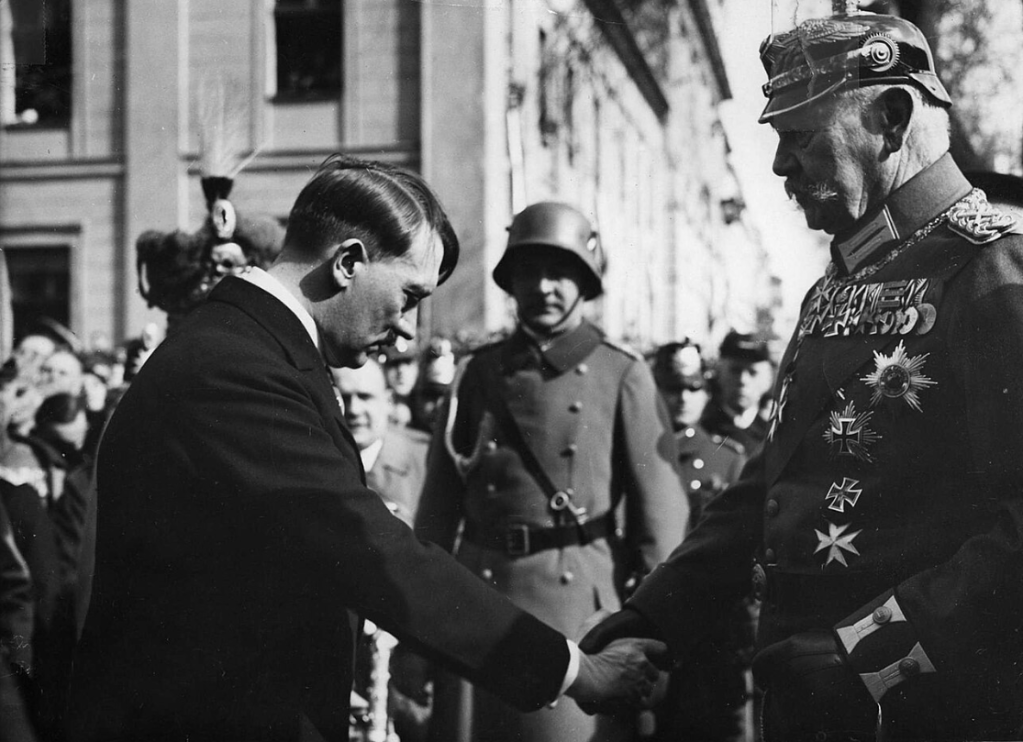
Hitler moved to Munich in 1913 and soon found himself swept into the First World War. He enlisted in the Bavarian Army and served as a dispatch runner, a dangerous role involving carrying messages between front-line units. He fought on the Western Front, was awarded the Iron Cross (First Class), and rose to the rank of Gefreiter (corporal). Germany’s defeat in 1918 came as a profound psychological shock to him.
In its aftermath emerged the “stab-in-the-back” myth (Dolchstoßlegende), propagated by German military leaders such as Erich Ludendorff and nationalist circles. This myth falsely claimed that Germany had not been militarily defeated but betrayed by internal enemies—particularly Jews, socialists, and liberals. Hitler embraced and amplified this idea because it provided a convenient explanation for defeat and a powerful tool for mobilizing nationalist resentment. As Richard J. Evans notes, the myth became “a cornerstone of Nazi propaganda and political mobilization.”
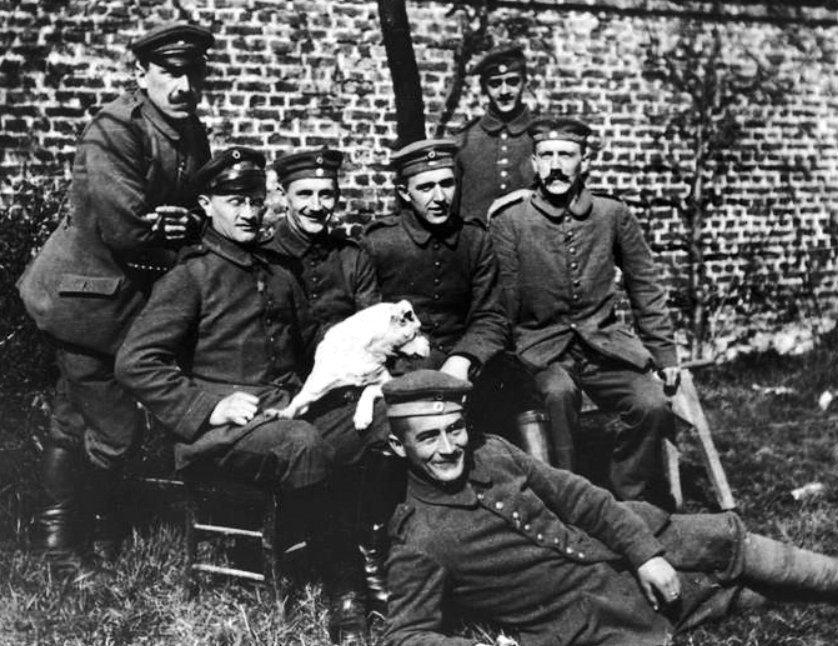
In 1919, Hitler joined the German Workers’ Party (DAP), initially as an army informant. His oratorical skill and ability to connect with disillusioned masses quickly propelled him to prominence within the party. By 1920, he had transformed it into the National Socialist German Workers’ Party (NSDAP). The inclusion of the term “socialist” was strategic rather than ideological in the Marxist sense. It was meant to attract working class support while redefining socialism in nationalist and racial terms emphasising unity of the “German people” over class conflict. Hitler rejected Marxist socialism but appropriated its vocabulary to broaden his appeal. As Alan Bullock observed, Hitler was “not a systematic thinker, but a master propagandist who adapted ideas for political gain.”
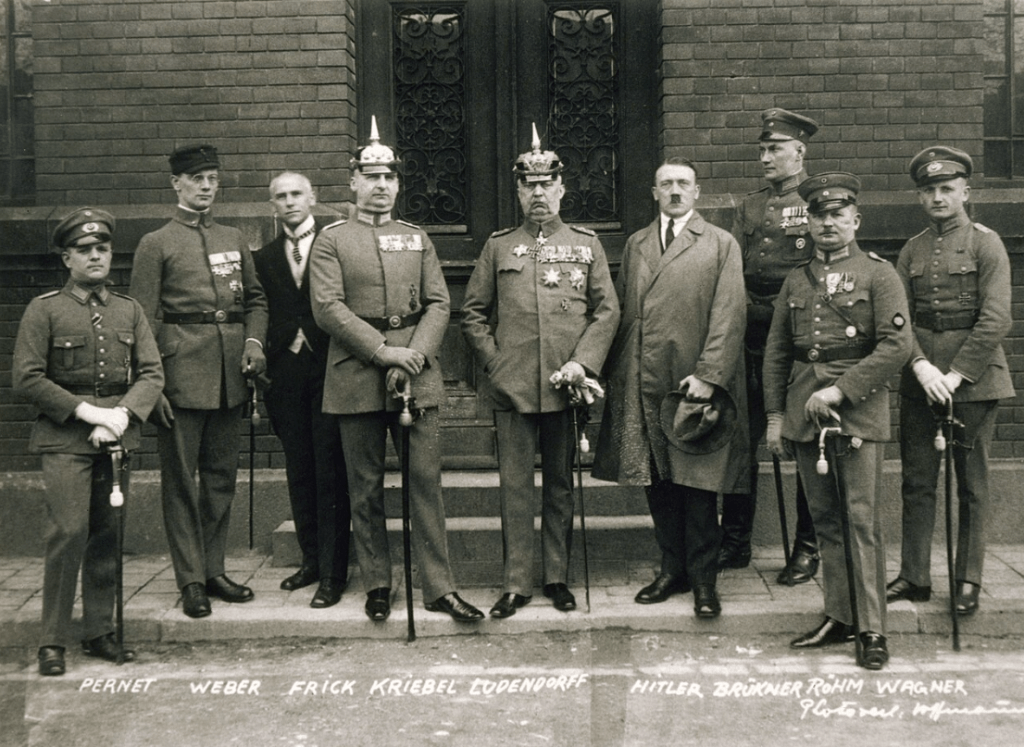
The failed Beer Hall Putsch of November 1923 marked Adolf Hitler’s first major attempt to seize power through insurrection, inspired partly by Benito Mussolini’s March on Rome. The coup, launched in Munich with the support of figures like Erich Ludendorff, collapsed within hours when Bavarian authorities resisted, leading to Hitler’s arrest. His subsequent trial in early 1924 became a turning point, instead of being politically marginalised, Hitler used the courtroom as a propaganda platform, projecting himself as a nationalist patriot.
He was sentenced to five years in Landsberg prison but served barely nine months, during which he dictated Mein Kampf. In this work, he not only articulated his core ideas racial hierarchy, Lebensraum, and anti-Semitism—but also reflected on the failure of violent revolution, concluding that power must be achieved through constitutional means. As Ian Kershaw notes, this phase marked the transition from “putschist adventurism to calculated political strategy.”
After his release in December 1924, Hitler reorganised the Nazi Party, rebuilding it as a disciplined, nationwide organisation. Between 1925 and 1928, however, the party remained electorally weak, securing only 2.6% of the vote (12 seats) in the 1928 Reichstag elections. This relative stagnation reflected the temporary stabilisation of the Weimar Republic under Gustav Stresemann. The real breakthrough came after the Wall Street Crash of 1929, which plunged Germany into severe economic crisis. Industrial production collapsed, banks failed, and unemployment rose dramatically from around 1.3 million in 1929 to over 6 million by early 1932. This crisis eroded public confidence in democratic institutions and fuelled support for extremist parties.
The Nazi Party exploited this environment with remarkable effectiveness. Through modern propaganda, mass rallies, and Hitler’s charismatic oratory, it presented itself as a force of national revival. Electoral gains were rapid and dramatic: from 107 seats in September 1930 to 230 seats in July 1932, making it the largest party in the Reichstag. Although it lacked an outright majority, this surge transformed Hitler from a fringe agitator into a central political figure. Historian Richard J. Evans observes that the Nazi rise was not inevitable but “the result of a convergence of economic collapse, political miscalculation, and Hitler’s ability to channel mass discontent into a coherent, if dangerous, movement.”
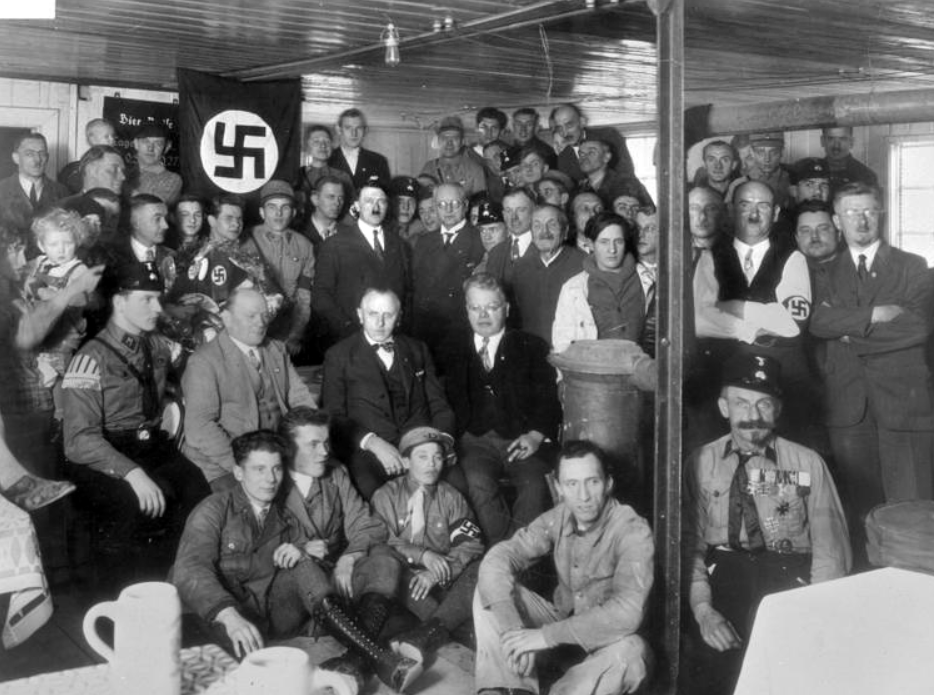
Hitler’s appointment as Chancellor on 30 January 1933 was not the product of an outright electoral majority but of intense backroom manoeuvring among conservative elites who believed they could harness and restrain Adolf Hitler for their own ends. By late 1932, Germany was mired in political deadlock: successive governments had ruled through presidential decrees under Paul von Hindenburg, and parliamentary stability had collapsed. Although the Nazi Party had emerged as the largest in the Reichstag (230 seats in July 1932, falling slightly to 196 in November 1932), Hitler was initially denied the chancellorship. It was only through the intrigues of conservative figures like Franz von Papen, who sought to build a coalition that would “box Hitler in,” that Hindenburg was persuaded—reluctantly—to appoint him. Papen famously believed that within months they would have “pushed Hitler so far into a corner that he’ll squeak,” a miscalculation that proved fatal for the Weimar system.
Once in office, Hitler moved with remarkable speed and calculation to dismantle democratic structures from within. The turning point came with the Reichstag Fire of 27 February 1933, which the regime exploited to portray Germany as under threat from a communist uprising. The subsequent Reichstag Fire Decree suspended key civil liberties—freedom of speech, press, and assembly—and enabled mass arrests of political opponents, particularly communists.
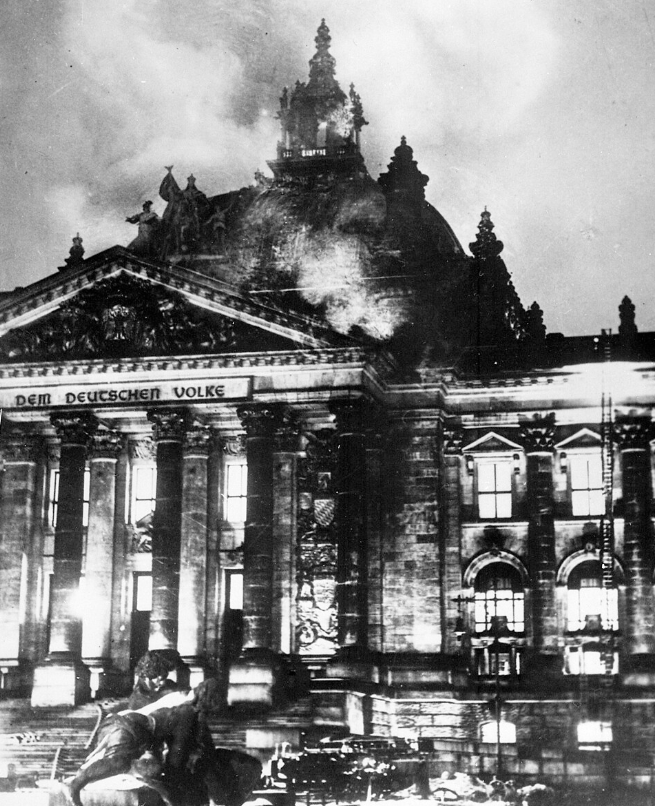
In the elections of March 1933, held in this atmosphere of intimidation, the Nazis increased their vote share to about 43.9% (288 seats), still short of a majority but sufficient, with support from allies, to push through the Enabling Act on 23 March 1933. This act effectively transferred legislative power from parliament to Hitler’s cabinet for four years, allowing laws to be enacted without Reichstag approval—even if they violated the constitution. As Richard J. Evans notes, the Enabling Act marked “the legal foundation of Hitler’s dictatorship,” achieved not by overthrowing the constitution outright but by hollowing it out from within.
The process of Gleichschaltung (“coordination”) followed, systematically bringing all institutions—states, trade unions, political parties, and cultural bodies—under Nazi control. Opposition parties were banned, and by July 1933 Germany had become a one-party state. Internal consolidation also involved eliminating potential rivals within the Nazi movement itself. The “Night of the Long Knives” in June 1934 saw the purge of SA leaders and other perceived threats, reassuring the army and conservative elites of Hitler’s authority.
Upon Hindenburg’s death on 2 August 1934, Hitler merged the offices of Chancellor and President, assuming the title of Führer. The army swore a personal oath of loyalty to him, marking the final step in the transformation of a fragile democracy into a totalitarian dictatorship. As Ian Kershaw observes, Hitler’s rise illustrates how “the collapse of elite resistance and the misuse of constitutional mechanisms enabled a dictatorship to emerge with alarming legality.”
Adolf Hitler understood that people will support his moves if economic gains are provided to the. Hence he moved rapidly to stabilise and transform the German economy, projecting an image of national revival that won significant domestic support. Through large-scale public works—most famously the Autobahn network—and state-directed investment, unemployment fell sharply from around 6 million in early 1933 to under 1 million by 1936. This decline was also aided by conscription (introduced in 1935), expansion of the armed forces, and the exclusion of women and Jews from parts of the labour market, which artificially reduced unemployment figures.
Rearmament became the central driver of economic recovery: military expenditure rose from roughly 1% of national income in 1933 to over 10% by 1936, stimulating heavy industry, steel production, and technological innovation. Programmes such as the Four-Year Plan (1936), led by Hermann Göring, aimed to prepare Germany for war by achieving economic self-sufficiency (autarky). Alongside this, organisations like the German Labour Front (DAF) and “Strength Through Joy” (KdF) sought to integrate workers into the regime, offering welfare benefits while eliminating independent trade unions.
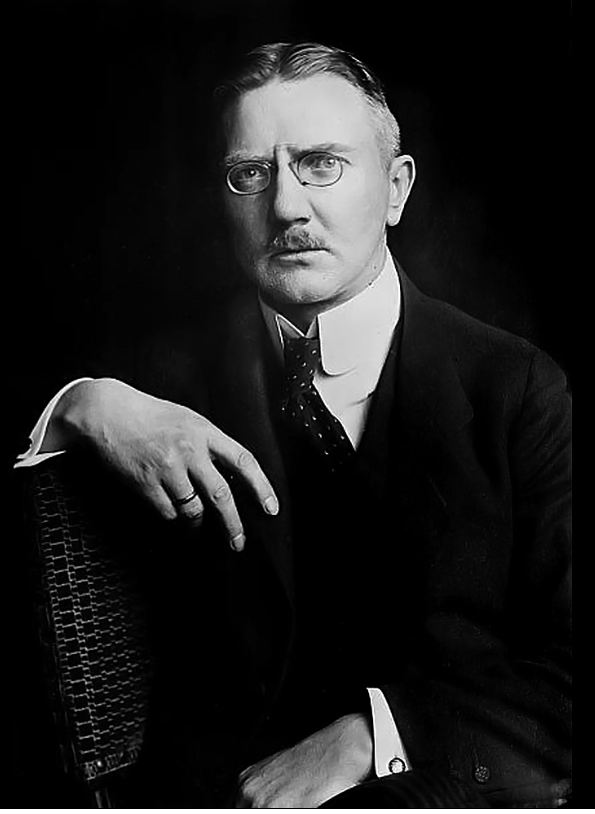
Yet, these apparent successes were inseparable from coercion and control. Independent unions were abolished in May 1933, political opposition was crushed, and a pervasive surveillance state—led by the Gestapo—ensured conformity. Cultural and intellectual life was tightly regulated through propaganda under Joseph Goebbels.
Most significantly, the regime’s racial policies institutionalised exclusion and persecution. The Nuremberg Laws of 1935 stripped Jews of citizenship, prohibited intermarriage, and formalised racial hierarchy within German society. What appeared to many contemporaries as national regeneration was thus built upon repression, militarisation, and systemic discrimination.
As Richard J. Evans notes, Nazi economic recovery was “inseparable from the regime’s preparation for war and its ideological commitment to racial exclusion.” At the same time, A. J. P. Taylor controversially argued that some of Hitler’s early foreign policy steps—such as the 1936 remilitarisation of the Rhineland—were perceived by many Germans and even some foreign observers as a legitimate revision of the Treaty of Versailles, though such interpretations underestimate their long-term destabilising consequences.
Hitler’s foreign policy before the outbreak of the Second World War combined opportunism with ideological ambition. Central to his vision was the idea of uniting all ethnic Germans within a single Reich while expanding eastward for Lebensraum. Early moves were carefully calibrated to avoid provoking immediate conflict. In 1938, the Anschluss brought Austria into Nazi Germany without significant military resistance, fulfilling a long-standing pan-German objective. This was followed by the Sudeten Crisis, where Hitler demanded the cession of German-speaking regions of Czechoslovakia.
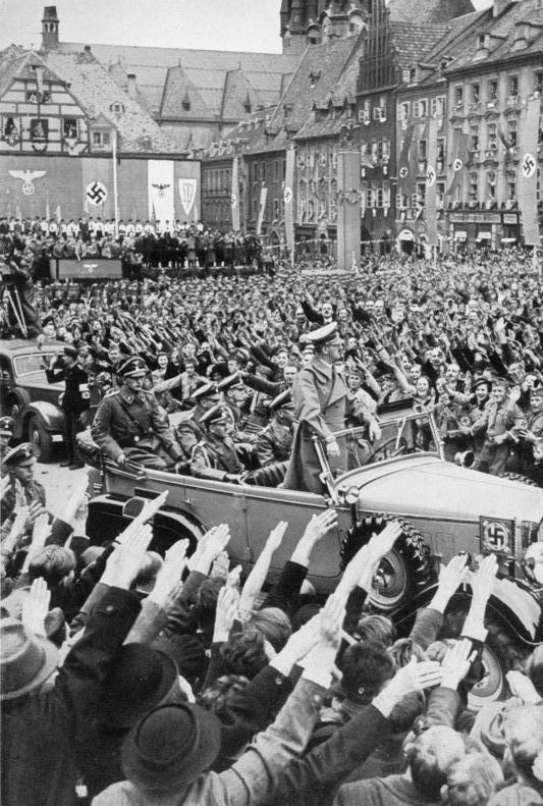
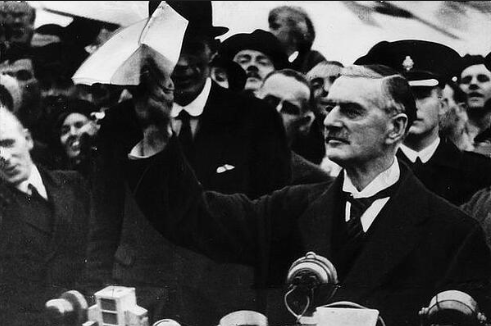
The Munich Agreement of September 1938, signed by Britain and France, allowed this annexation in the hope of preserving peace—a policy later termed “appeasement.” These diplomatic victories significantly boosted Hitler’s popularity at home, reinforcing his image as a leader who could achieve national goals without war.
However, these actions also reveal a pattern of calculated risk-taking. Each success emboldened further expansion, culminating in the complete occupation of Czechoslovakia in March 1939—an act that went beyond the principle of self-determination and exposed the broader expansionist agenda of the regime. As Ian Kershaw observes, Hitler’s foreign policy operated through a “cumulative radicalisation,” where each triumph increased both his confidence and the scale of his ambitions. What initially appeared as strategic diplomacy increasingly moved toward open aggression, setting the stage for the global conflict that would follow.
The outbreak of the Second World War in September 1939, triggered by Adolf Hitler’s invasion of Poland, marked the transformation of European tensions into a full-scale global conflict. The invasion itself was preceded by calculated diplomacy, including the Molotov–Ribbentrop Pact with the Soviet Union, which ensured that Germany would avoid a two-front war in the initial phase. The campaign against Poland was swift: within weeks, Polish resistance collapsed under the combined pressure of German Blitzkrieg tactics and Soviet entry from the east.
Blitzkrieg—literally “lightning war”—combined rapid armoured advances, close air support, and coordinated infantry movement to overwhelm opponents before they could organise defence. This strategy produced stunning successes in Western Europe. In April 1940, Germany overran Denmark and Norway, securing strategic access to the North Sea. By May–June 1940, France—long considered Europe’s strongest military power—fell in just six weeks, while British forces narrowly escaped at Dunkirk. By mid-1940, Nazi Germany controlled most of continental Europe, from the Atlantic coast to the borders of the Soviet Union, creating an image of near invincibility. As Richard J. Evans observes, these victories fostered a “dangerous illusion of military omnipotence,” masking deeper structural and strategic vulnerabilities.
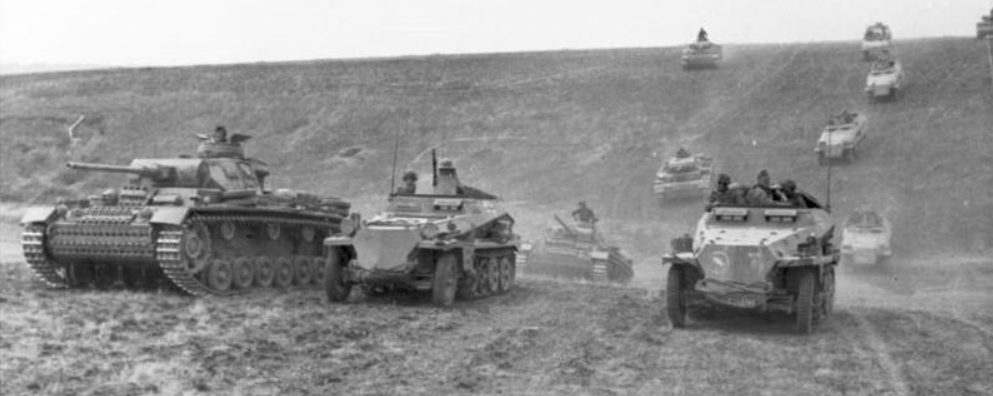
These early successes, however, concealed fundamental weaknesses in Germany’s war strategy. The economy was not fully mobilised for a prolonged global conflict, and Germany lacked the industrial capacity and resource base to sustain a long war against multiple major powers. The turning point came with Operation Barbarossa in June 1941—the invasion of the Soviet Union. Initially successful, with rapid territorial gains and millions of Soviet prisoners, the campaign soon became a war of attrition. The vastness of Soviet territory, harsh winters, and resilient Soviet resistance stretched German supply lines beyond capacity.
The failure to capture Moscow in 1941 and the catastrophic defeat at Stalingrad (1942–43), where an entire German army was encircled and destroyed, marked decisive setbacks. Simultaneously, Hitler’s decision in December 1941 to declare war on the United States—following Japan’s attack on Pearl Harbor—brought the world’s largest industrial power fully into the conflict, fundamentally altering the balance of forces.
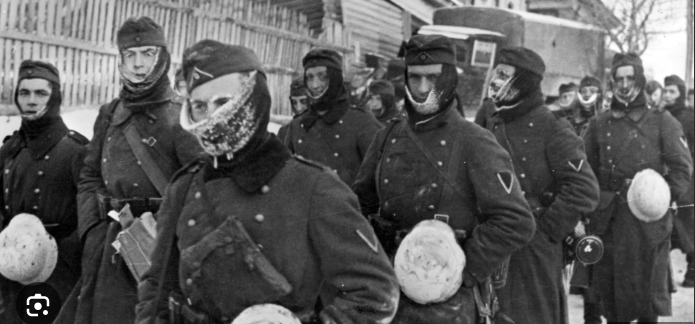
Hitler’s leadership style increasingly exacerbated these strategic problems. He centralised military decision-making, often overriding his generals and insisting on rigid “no retreat” orders that led to unnecessary losses. His ideological convictions—particularly his belief in racial superiority and the inevitability of conflict with “Judeo-Bolshevism”—distorted strategic judgement. As Antony Beevor notes, Hitler’s command became “detached from reality,” where decisions were shaped more by ideological obsession than by military pragmatism. The war thus evolved from a series of rapid victories into a prolonged and ultimately unwinnable struggle against superior resources and coordinated Allied strategy.
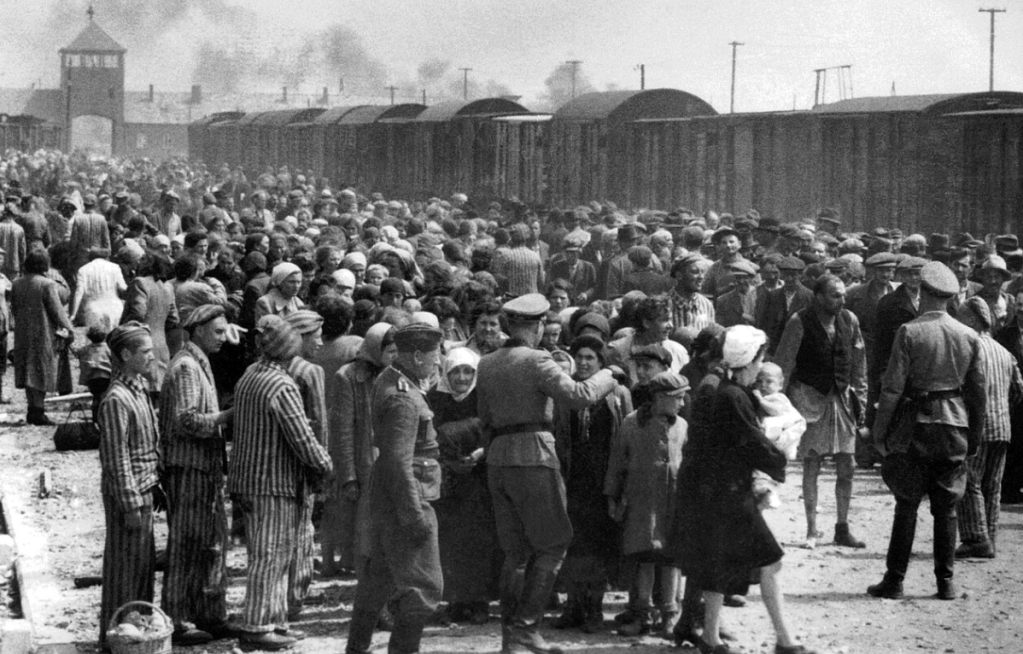
Parallel to the military conflict, the Nazi regime escalated its genocidal policies to an unprecedented level. What had begun as discrimination and exclusion in the 1930s evolved during the war into systematic mass murder. The Holocaust, formalised through measures such as the Wannsee Conference of 1942, led to the industrialised killing of approximately six million Jews, alongside millions of others including Roma, disabled individuals, Soviet prisoners of war, and political dissidents. Extermination camps such as Auschwitz, Treblinka, and Sobibor became central to this machinery of death. Historian Saul Friedländer characterises this as “redemptive anti-Semitism,” where genocide was not incidental but intrinsic to Nazi ideology—a perceived historical mission rather than a mere wartime policy. This aspect of Hitler’s rule remains the most defining and morally devastating component of his legacy.
By 1944–45, the tide of war had decisively turned against Germany. Allied forces advanced from the west following the D-Day landings in June 1944, while the Soviet Red Army pushed relentlessly from the east after major victories such as Kursk. German cities were subjected to intense aerial bombardment, crippling infrastructure and civilian life. By early 1945, Berlin was encircled. In this last phase, Hitler retreated into his bunker, increasingly isolated and detached from the collapsing reality around him.
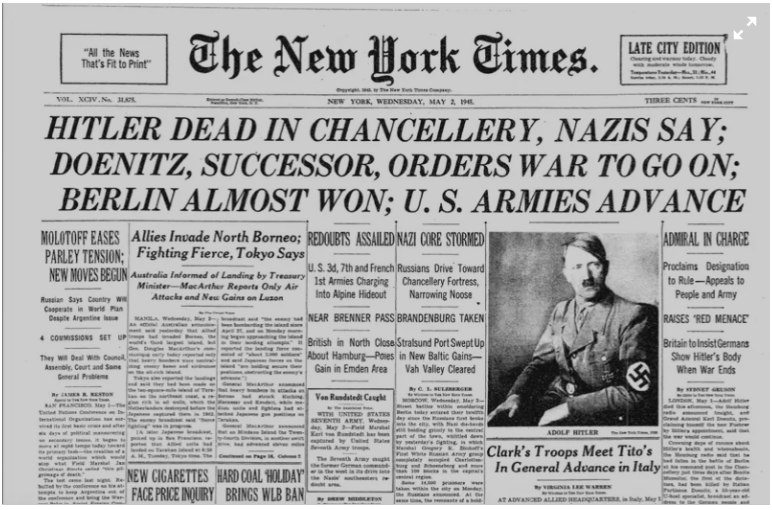
On 30 April 1945, he died by suicide as Soviet forces closed in. Within days, Germany surrendered unconditionally. The fall of the Third Reich left Europe devastated, with tens of millions dead and vast regions in ruins. As Ian Kershaw concludes, Hitler’s war was “a self-destructive gamble that ended in total collapse,” leaving behind not only physical destruction but also a profound moral reckoning for humanity.
In historical perspective, Adolf Hitler remains one of the most intensely studied and morally contested figures in modern history. His career illustrates how economic crisis, wounded nationalism, and institutional fragility can combine to elevate an individual who embodies both the aspirations and the darkest impulses of a society. The apparent “successes” of the early Nazi years—economic revival, political stability, and national assertion—must be understood not as isolated achievements but as outcomes inseparable from coercion, exclusion, and preparation for war. As Ian Kershaw argues, Hitler’s dictatorship functioned through a dynamic of “working towards the Führer,” where a radical ideology generated escalating policies of repression and expansion even beyond formal directives.
At the same time, historians have differed in interpreting Hitler’s role and intent. Alan Bullock portrayed him as an opportunist—“a man without fixed principles, driven by power and manipulation”—suggesting that his rise was rooted as much in political circumstance as in ideology. In contrast, Hugh Trevor-Roper emphasised the centrality of Hitler’s ideas, arguing that the regime’s course, especially the war and genocide, cannot be separated from his long-held ideological vision. A more controversial perspective came from A. J. P. Taylor, who suggested that Hitler’s foreign policy initially followed traditional German objectives, thereby challenging the view of him as entirely exceptional—though this interpretation has been widely debated and criticised.
Yet, the overwhelming weight of scholarship underscores the destructive consequences of his rule. Richard J. Evans concludes that Hitler’s regime was “a system of rule that combined modern efficiency with unprecedented brutality,” while Saul Friedländer stresses that the Holocaust was not an accident of war but the logical culmination of Nazi ideology. Even where historians acknowledge his political skill or mass appeal, they do so within a framework that highlights the catastrophic human cost.
Ultimately, Hitler’s legacy is not merely that of a dictator who rose and fell, but of a figure whose life demonstrates the dangerous potential of charismatic authority unchecked by democratic institutions and moral restraint. His story compels us to confront how societies can be mobilised toward both reconstruction and ruin—and why vigilance against such trajectories remains essential in any age.
 Sainil Nagare
Leave a comment